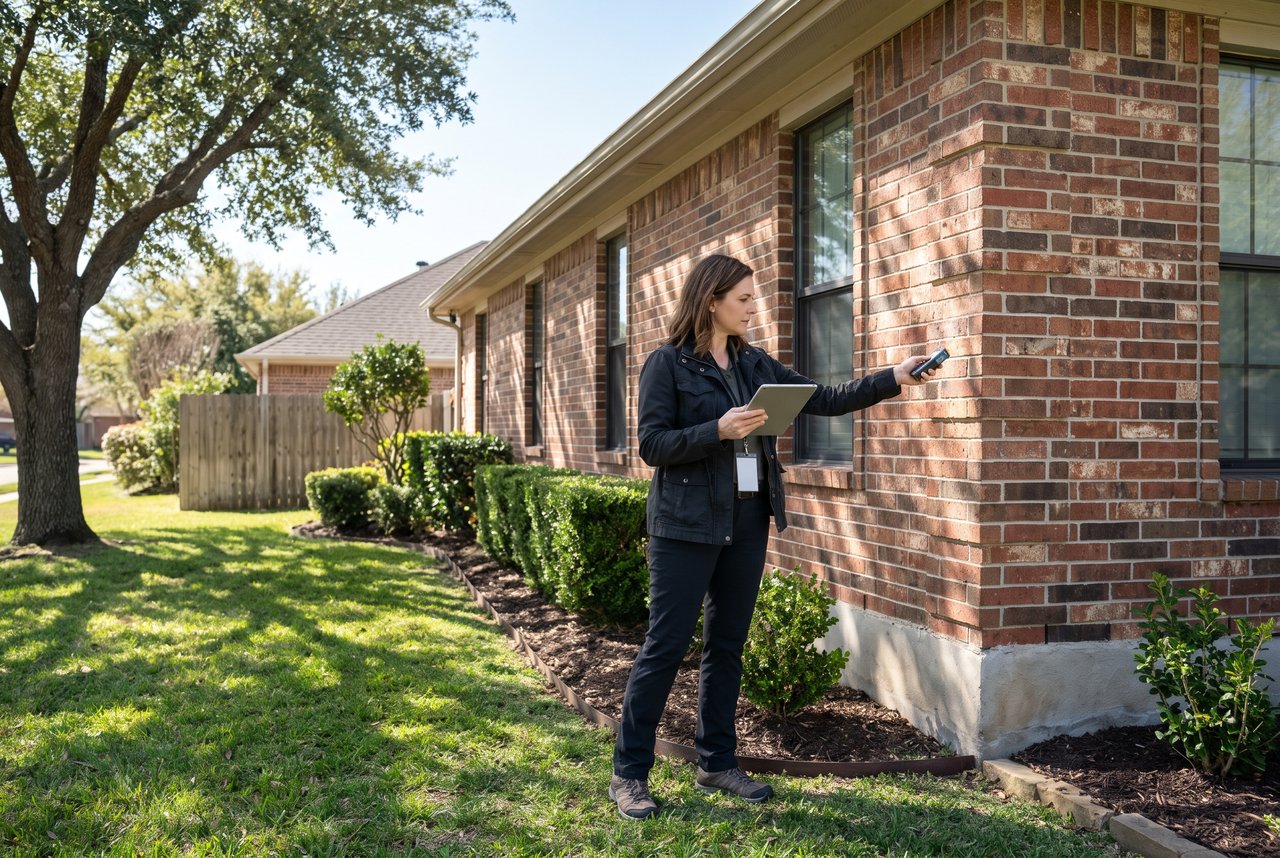
Your offer was accepted, the inspection is done, and then one more stranger shows up at the house with a tape measure: the appraiser. Their opinion of value can keep your deal on track or send everyone back to the negotiating table.
Here is what an appraisal is, how it works, and what buyers and sellers can do if the number comes in low.
Quick answer: An appraisal is an independent estimate of a home's value that your lender uses to make sure the loan is supported. Federal rules require your lender to give you a copy of the appraisal, and for most conventional and FHA loans, borrowers can request one formal "reconsideration of value" per appraisal before closing if they believe it contains errors.
What an Appraisal Is (and Is Not)
An appraisal is an estimate of the home's market value. If you are financing, your lender orders it to confirm the home's value supports the loan amount.
It is not the same as a home inspection. An inspection looks at the condition of the home's systems and components. An appraisal looks at what the home is worth. (See Your Home Inspection Report, Decoded.)
The Appraiser Works Independently
Appraisers are required to be independent. Fannie Mae says all appraisals and reconsiderations of value submitted to it must comply with its Appraiser Independence Requirements. Lenders also cannot simply order a second appraisal because they do not like the value of the first one.
You Have the Right to See It
According to the Consumer Financial Protection Bureau (CFPB), your lender is required by federal law to provide you with a copy of the appraisal. Since 2009, federal rules and Fannie Mae and Freddie Mac guidelines have required borrowers to receive their appraisal before closing, generally at least three days ahead.
Tip: Read it. Check that the basics are correct, such as square footage, bedroom and bathroom count, and the features listed.
If the Appraisal Comes In Low
A low appraisal does not automatically end the deal. Common options include renegotiating the price, covering the difference in cash, or using protections in your financing addendum. (See Your Offer Was Accepted. Now What?)
There is also a formal path to challenge the appraisal.
The Reconsideration of Value (ROV)
In May 2024, Fannie Mae, Freddie Mac, and HUD announced standardized policies for a borrower-initiated reconsideration of value, or ROV. For Fannie Mae and Freddie Mac loans, the policies apply to applications dated on or after October 31, 2024. FHA has a similar policy.
Here is how it works:
- One request per appraisal. Only one borrower-initiated ROV is permitted for each appraisal.
- Before closing only. The ROV must be submitted to the lender before the loan closes. After closing, it is no longer allowed.
- Bring evidence. The request should identify the specific unsupported, inaccurate, or deficient items and explain how your data supports a different value.
- Through the lender. You submit the request to your lender, and the process must follow Appraiser Independence Requirements.
Why it matters: If you spot a clear error, like a missing bedroom or the wrong square footage, an ROV gives you a formal way to ask for a correction.
Tips for Sellers
- Keep a list of improvements you have made, with dates, such as a new roof, HVAC system, or flooring. Your agent can tell you how that information can be shared appropriately.
- Make sure the appraiser can access everything, including the attic, garage, and any outbuildings.
- Price realistically from the start. Pricing in line with recent comparable sales can help the appraisal line up with the contract. (See How to Price Your Home to Sell Fast in Sienna TX.)
Frequently Asked Questions
Do I get a copy of my home appraisal? Yes. According to the CFPB, your lender is required by federal law to provide you with a copy of the appraisal.
Can I challenge a low appraisal? For most conventional and FHA loans, you can request one reconsideration of value per appraisal, before closing, through your lender. The request should point to specific errors and include supporting data.
What is the difference between an appraisal and an inspection? An appraisal estimates the home's value for the lender. An inspection evaluates the condition of the home's systems and components for the buyer.
What happens if the appraisal is lower than the price? You may be able to renegotiate the price, cover the difference in cash, or use protections in your financing addendum.
Do Not Face a Low Appraisal Alone
Whether you are buying or selling, Ryan Adams and The Adams Group TX can help you understand your appraisal and your options if the number comes in low. Call us at (832) 308-7633 or visit us at 5822 Sienna Parkway, Suite 500, Missouri City, TX 77459.