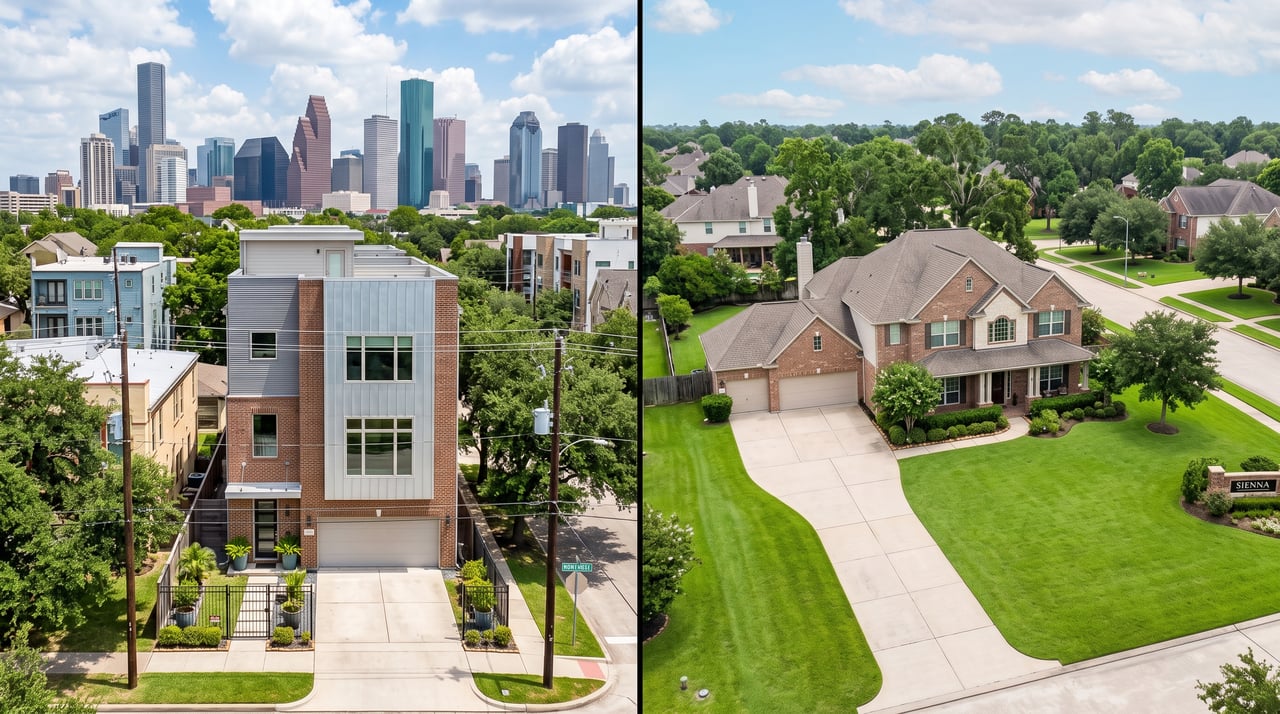
Ask ten people what it takes to buy a home and you will get ten different answers. Some of the most common ones are simply not true.
Here are seven of the most common home buying myths we hear, what is actually true, plus one surprise that only applies if you are buying in Texas.
Quick answer: You do not need 20% down, perfect credit, or a spring market to buy a home. Qualified buyers may be able to put down as little as 3% to 3.5%, or nothing with a VA loan. In Texas, property taxes can also be a bigger part of your monthly payment than many buyers expect.
Myth 1: You Need 20% Down to Buy a Home
This is the myth that keeps the most people on the sidelines. Twenty percent down helps you avoid mortgage insurance, but it is not a requirement.
Conventional loan programs such as Fannie Mae's HomeReady and Freddie Mac's Home Possible allow as little as 3% down for qualified buyers. FHA loans allow 3.5% down with a credit score of 580 or higher. According to the VA, nearly 90% of VA-backed home loans are made with no down payment. Texas also offers statewide down payment assistance through the Texas State Affordable Housing Corporation (TSAHC), including the Homes for Texas Heroes program for public school teachers, first responders, corrections officers, and veterans.
The takeaway: Talk to a lender about your real numbers before deciding you need to save for another five years.
Myth 2: Your Credit Has to Be Perfect
Good credit can help you get a better rate, but "perfect" is not the bar. FHA guidelines allow a 3.5% down payment with a credit score of 580 or higher. Individual lenders may set higher minimums, so it pays to compare.
A lender can tell you what you qualify for today and what would improve your options.
The takeaway: Pull your credit early so you know where you stand and have time to fix any errors.
Myth 3: Renting Is Always Cheaper Than Buying
A monthly rent payment can look smaller than a mortgage. But rent builds your landlord's equity, not yours, and it can go up each time your lease renews.
With a fixed-rate mortgage, your principal and interest stay the same for the life of the loan. Over time, part of every payment becomes equity you keep.
The takeaway: Compare the full cost of both over the number of years you actually plan to stay, not just one month.
Myth 4: Getting Prequalified Means You Are Ready to Shop
Lenders use these two words differently. According to the Consumer Financial Protection Bureau, some lenders issue a prequalification based on information you report yourself, and a preapproval only after verifying your information.
What matters is not the name on the letter but what the lender actually checked. A letter based on verified income, assets, and credit tells a seller much more than an estimate.
The takeaway: Before you start touring seriously, ask your lender for a letter based on verified information, so you can move fast when the right home shows up.
Myth 5: Spring Is the Only Good Time to Buy
Spring is traditionally the busiest season for home sales, which can also mean more competition. In slower seasons, you may face fewer competing buyers and have more room to negotiate on price, repairs, or closing costs.
The right time to buy is when your finances are ready and you find the right home, not when the calendar says so. (Selling instead? See our guide on the best time of year to sell your home near Houston.)
The takeaway: Do not wait for spring if you are ready now. You may have more leverage in the off-season.
Myth 6: You Do Not Need Your Own Agent for New Construction
Walking into a model home and working directly with the builder feels simple. But the friendly sales agent in the model home works for the builder. Their job is to get the best deal for the builder, not for you.
Your own agent can help you compare builder incentives, review the contract, push for upgrades or closing cost help, and recommend an independent inspection. Many builders have registration policies that require your agent to be with you, or to register you, on your first visit. If you visit alone first, the builder may not recognize your agent later. (Comparing options? Read New Construction vs. Resale Homes in Sienna TX.)
The takeaway: Bring your agent with you on your first visit to any new home community.
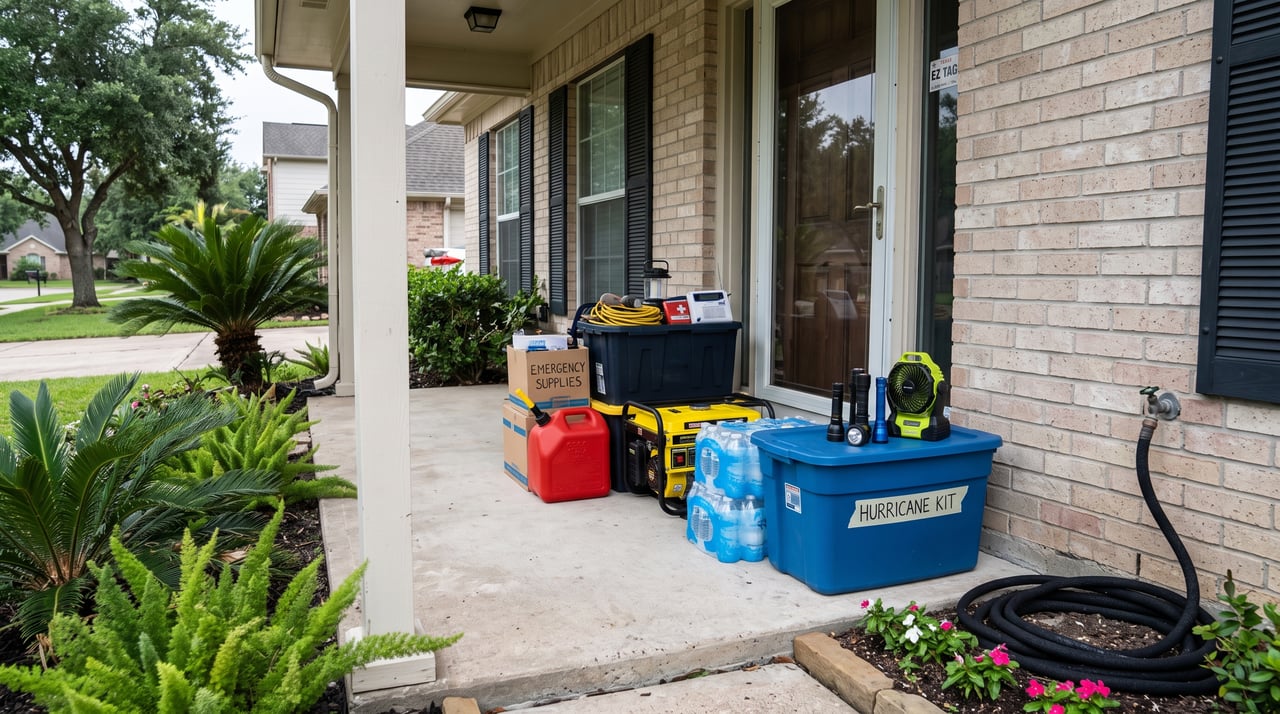
Myth 7: Your Homeowners Insurance Covers Flooding
According to FEMA, standard homeowners insurance typically does not cover flood damage. Flood insurance is a separate policy.
A National Flood Insurance Program policy generally takes 30 days to take effect, but there is no waiting period when you buy it in connection with a new mortgage. FEMA also reports that 25 to 30 percent of NFIP flood claims come from properties outside high-risk flood areas.
The takeaway: Ask about flood insurance when you shop for homeowners insurance before closing, even if the home is not in a high-risk flood zone.
The One That's Only True in Texas: No Income Tax Doesn't Mean Low Housing Costs
Texas has no state income tax. Instead, local governments rely heavily on property taxes, and those rates are set locally rather than by the state. Texas property tax rates are among the highest in the country.
In the Houston area, your total tax rate is a combination of the county, city, school district, and often a MUD (Municipal Utility District) or other special district. Two homes at the same price can have very different monthly payments depending on these rates. Newer subdivisions often have higher MUD rates because the district is still paying off the bonds that built its water, sewer, and drainage systems.
The good news is that you have some control:
- File your homestead exemption as soon as you move in. Since Texas voters approved Proposition 13 in November 2025, it removes $140,000 from your home's value for school district taxes. After your first year with the exemption, your home's taxable appraised value generally cannot rise more than 10% per year.
- Protest your appraisal if your county's value looks too high. Texas homeowners have the right to protest to their appraisal review board, usually by May 15 or 30 days after the appraisal notice is delivered, whichever is later.
- Check the full tax rate before you make an offer, not just the list price.
The takeaway: In Texas, always compare homes by their total monthly payment, including taxes, not by price alone.
Frequently Asked Questions
What is the minimum down payment to buy a house in Texas? Many buyers qualify with 3% down on a conventional loan or 3.5% on an FHA loan. Eligible veterans may qualify for a VA loan with no down payment. Texas also offers statewide down payment assistance through TSAHC and the Texas Department of Housing and Community Affairs (TDHCA).
Can I buy a home with less-than-perfect credit? Yes. FHA guidelines allow a 3.5% down payment with a credit score of 580 or higher, though individual lenders may require a higher score. A lender can tell you what you qualify for and what to improve.
Is it worth having a buyer's agent for a new build? Yes. The builder's sales agent represents the builder. Your own agent works for you and can help with negotiations, contract review, and inspections. Bring them on your first visit.
Why are property taxes so high in Texas? Texas has no state income tax, so local governments rely heavily on property taxes. Your rate depends on your county, city, school district, and any MUD or special district.
Get the Facts Before You Decide
If you think you cannot buy yet, it is worth looking at your real numbers before deciding. A short conversation can tell you how much you need down, what programs you qualify for, and what your monthly payment would look like with Texas taxes included.
Ryan Adams and The Adams Group TX help buyers separate the myths from what is actually true for their situation. If you are wondering whether you are closer to owning than you think, call us at (832) 308-7633 or visit us at 5822 Sienna Parkway, Suite 500, Missouri City, TX 77459.