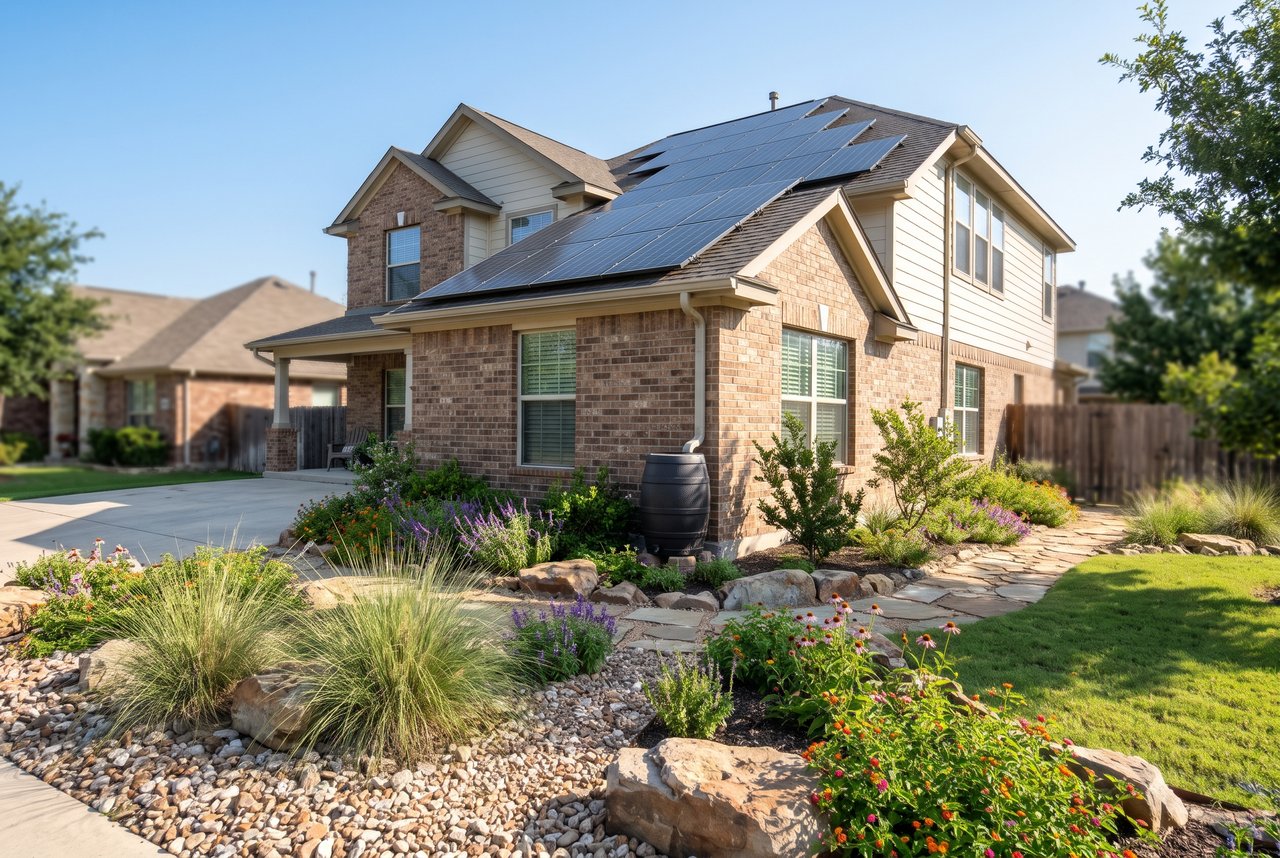
Moving Mom in. Helping an adult child save for their own place. Sharing childcare with the grandparents. For many families, one home for several generations makes more sense than two or three separate ones.
If you are thinking about it, here is what the numbers say, how financing can work, and what to look for in a home that works for everyone.
Quick answer: About 1 in 7 recent U.S. home buyers purchased a multigenerational home, according to the National Association of REALTORS®. Mortgage programs like Fannie Mae loans and FHA loans can allow a family member who will not live in the home to be on the loan, and in Texas, homeowners 65 and older can receive larger school tax exemptions.
Multigenerational Buying by the Numbers
In NAR's latest Profile of Home Buyers and Sellers, 14% of buyers purchased a multigenerational home. That is down slightly from 17% the year before, which was the highest share on record.
Why families are doing it:
- 41% said the main reason was to care for or support aging parents, the highest share since NAR began tracking in 2015.
- 27% said adult children were moving back home.
- 21% said their adult children never left.
Multigenerational households also tend to have more earners. More than 1 in 4 multigenerational buyers have three or more people contributing to household income, compared with 11% of traditional buyers.
The Questions to Ask Before You Decide
Living together can stretch a budget further and keep family close. It also means sharing space, costs, and decisions. Before you start touring, talk honestly as a family about:
- Who will be on the loan and on the title?
- How will you split the mortgage, taxes, insurance, utilities, and repairs?
- How much privacy does each person need?
- What happens if someone wants to move out, or if the home needs to be sold?
There are no wrong answers. The goal is to agree before you sign, not after.
How Financing Can Work
You do not always need every family member living in the home to be on the loan, or every person on the loan to live there.
Fannie Mae conventional loans: A non-occupant borrower, such as a parent, can be a borrower on the mortgage without living in the home. Their income and debts are counted when the lender calculates your debt-to-income ratio. Fannie Mae makes this flexibility available on all of its loans, including the HomeReady mortgage.
FHA loans: FHA also allows non-occupant co-borrowers who are related by blood, marriage, or law.
One important point: Anyone who signs as a borrower is responsible for the loan, even if they never live in the home. Make sure everyone understands that before applying.
Rules, down payment requirements, and eligibility vary by program and lender, so talk to a lender early about your family's specific situation.
How You Hold Title Matters
Who is on the loan and who is on the title are related but separate decisions. How you own the home together can affect what happens if someone passes away, wants out, or needs to sell. Because these rules have legal consequences, talk to a Texas real estate attorney before closing.
The Texas Tax Angle for Homeowners 65 and Older
Texas offers extra property tax relief for homeowners who are 65 or older or disabled. Since voters approved Propositions 11 and 13 in November 2025, these homeowners can receive a combined $200,000 exemption from their home's value for school district taxes. That is the $140,000 general homestead exemption plus an additional $60,000. Homeowners 65 and older or disabled also receive a ceiling that limits their school taxes.
These exemptions apply to a homeowner's residence homestead. If a parent will be an owner and live in the home, ask your county appraisal district how the exemptions apply when the home has more than one owner. (Learn more about the homestead exemption in 7 Home Buying Myths, Plus One That's Only True in Texas.)
Floor Plans Worth Looking For
The right layout gives everyone space to be together and space to be apart. Features to look for include:
- A first-floor bedroom with a full bathroom, especially if a family member has trouble with stairs
- A separate or private entrance for the suite
- A kitchenette so the suite can function on its own
- Bedrooms on different floors or opposite sides of the home for privacy
Some Houston-area builders design homes specifically for this. Lennar's Next Gen® homes include an attached suite with its own entrance, living space, kitchenette, bedroom, and bathroom. Lennar offers these designs in Houston-area communities, including some in Fort Bend County such as Richmond, Rosenberg, and Fulshear. The suite is part of the single-family home, not a separate legal dwelling.
If you are buying new construction, bring your own agent on your first visit. (Here is why, in 7 Home Buying Myths, Plus One That's Only True in Texas.)
Frequently Asked Questions
How common is buying a multigenerational home? In NAR's latest Profile of Home Buyers and Sellers, 14% of buyers purchased a multigenerational home, down slightly from a record 17% the year before.
Can my parents help me qualify for a mortgage without living with me? Possibly. Fannie Mae and FHA loans can allow non-occupant co-borrowers. With FHA, family co-borrowers keep access to the low down payment option, while non-family co-borrowers require a larger down payment. A borrower is responsible for the loan even if they do not live in the home.
Do seniors get a property tax break in Texas? Yes. Homeowners 65 and older or disabled can receive a combined $200,000 school district homestead exemption, plus a ceiling on school taxes.
What is a Next Gen home? It is Lennar's design with an attached private suite that has its own entrance, kitchenette, bedroom, bathroom, and living space.
Room for Everyone
Buying for more than one generation takes more planning, from financing to floor plans. Ryan Adams and The Adams Group TX can help your family find a home that works for everyone under one roof. Call us at (832) 308-7633 or visit us at 5822 Sienna Parkway, Suite 500, Missouri City, TX 77459.